
Walk Village to Village Without a Car

Set out on multi-day, car-free walking routes linking Lake District villages, weaving ferries, buses, and centuries-old paths into a satisfying journey of lakes, fells, and warm welcomes. Embrace slow travel that lightens your footprint, favors local businesses, and swaps parking stress for dawn birdsong, pub firesides, and the friendly rhythm of places connected by boots, timetables, and stories.

How to Stitch Together Days on Foot Using Buses, Boats, and Byways

Car-free travel here works beautifully when you pair reliable public transport with classic rights of way. Ferries hop across water, frequent buses thread the valleys, and footpaths climb to wide views before dropping into stone-built villages. Think of your journey as a necklace, each bead a village, every link a scenic section you’ll look forward to walking.

Reading the Network Like a Local

Start by noting rail gateways and valley bus corridors that run early and late enough to bookend your walking days. Add lake ferries to bridge watery gaps, ensuring you can cross without detours. Check seasonal schedules, photograph departure boards, and keep a short list of fallback links so weather or energy shifts never pin you to a rigid plan.

Connecting Rights of Way Into Beautiful Lines

Spread out a detailed map and draw gentle arcs between villages using bridleways, footpaths, and quiet lanes. Favor ridgelets that grant views without relentless ascent, and valley paths where riverside shade refreshes midsummer legs. Identify stile counts, gate types, and potential boggy sections, then balance daily distance so you arrive with time to explore, linger, and breathe.

Sleep Smart to Keep Momentum

Choose stays that sit directly on your onward route, reducing faff and keeping mornings light. Reserve earlier than you think necessary during popular months, and confirm breakfast times match bus or ferry departures. Ask hosts about packed lunches, drying rooms, and shortcuts only locals share, because timely sandwiches and a tip about a hidden footbridge can rescue any itinerary.

Six Lakes, Many Footsteps: Sample Routes That Link Welcoming Villages

These itineraries favor human pace and public links, prioritizing scenic continuity and easy logistics. They braid ferry crossings, bus hops, and well-loved paths into engaging days that end where tea, shelter, and stories await. Adjust distances to suit your stride, swap segments as weather dictates, and savor how each village adds character, flavor, and gentle surprise.

Bowness → Hawkshead → Coniston: A Three-Day South Lakes String

Glide across Windermere by ferry, then follow woodland and field paths toward whitewashed Hawkshead, where lanes whisper of writers and artisans. Continue beside tarns and stone walls to Coniston, tracing shore and fellside options that flex with conditions. Return by bus or boat, pockets warm with bakery crumbs and a new respect for modest, memorable miles.

Coniston → Elterwater → Grasmere → Ambleside: Ridges From the Valleys

Leave Coniston on old quarry tracks and gentle ridge paths that deliver long views without committing to harsh scrambles. Drift to Elterwater for a river walk framed by rugged silhouettes, then thread to Grasmere where poetry lingers. Finish in Ambleside, alive with outfitters and cafes, before a quick bus closes the loop, proving car-free travel can feel elegantly effortless.

Ambleside → Grasmere → Threlkeld → Keswick: Northern Arc With a Railway Trail

Climb modestly from Ambleside to Grasmere on cushioned, historic paths, then pick a fair-weather high route or a sheltered valley line toward Threlkeld. Finish along the beautifully restored railway trail into Keswick, where riverside rhythm steadies tired legs. A frequent bus whisks you back, while market chatter, fells, and lake light linger long after boots unlaced.

Weatherwise Walking and Risk‑Savvy Choices

Mountain weather shapes every decision, and car-free walkers thrive by reading forecasts, planning escape hatches, and flexing routes without drama. Prioritize safety, visibility, and energy, accepting that a valley ramble under drizzle can beat a clag-bound ridge. Prepare for rapid changes, communicate intentions, and treasure the humility that keeps adventures joyful, unhurried, and repeatable.

Reading Forecasts and Naming a Sensible Plan B

Consult dedicated mountain forecasts for wind speed, freezing level, and cloud base, not just generic town predictions. Match ambitions to daylight and underfoot conditions, then sketch a shorter alternative that still delights. Share your plan with someone dependable, and agree on cutoffs where turning back feels like stewardship of future days rather than defeat or missed opportunity.

Carrying Layers That Laugh at Low Cloud

Pack a breathable waterproof, insulating midlayer, spare socks, gloves, and a hat that stays snug in gusts. Add paper maps and a compass alongside offline navigation, plus a power bank for your phone. Gaiters tame bog, a small first-aid kit calms scrapes, and a lightweight emergency shelter turns an unexpected pause into an organized, warming regroup rather than worry.

Valley Gems When Fells Disappear

When cloud squats on summits, follow rivers through ancient woodland, loop by a lakeshore, or hunt for caves and quarries that sparkle even under grey skies. Heritage paths, coffin routes, and disused rail trails offer texture without risk. You still connect hospitable villages, still earn pastry and tea, and still collect moments that remind you miles are only part of wonder.

Stories, Flavors, and Friendly Doors Along the Way
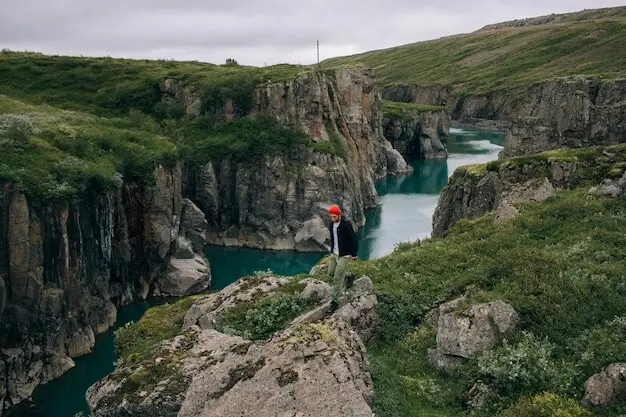
Villages reveal themselves through crumbly gingerbread, slate-front pubs, market conversations, and sheep-lined lanes that anchor memory. Walking between them invites serendipity: a porchful of muddy boots, a local’s shortcut tip, a postcard that feels like a handshake. Let appetite lead sometimes, because the right bowl of soup can turn drizzle into incomparable contentment.

Pack Light, Move Far: Logistics for Linear, Car‑Free Walks

Packing discipline rewards every climb, descent, and cobbled lane. Keep weight lean, items versatile, and pockets purposeful. Arrange tickets before you lace up, stash digital copies, and build in cushions for missed connections. Consider luggage transfer or strategic laundry, so each day begins with rested shoulders, ready feet, and a mind unburdened by clutter you did not need.

Tread Kindly: Caring for Paths, People, and Place

Car-free journeys naturally reduce congestion, but kindness needs daily practice. Walk soft, close gates, and give way with a smile. Keep dogs controlled near livestock, stick to durable paths, and pack out everything. Spend locally, donate where you can, and lift a stray wrapper. Small choices compound, leaving cleaner lines for the next pair of grateful boots.

Sharing Space on Busy Paths

Weekends and holidays bring crowds, strollers, and excited dogs. Hold steady, signal politely, and step aside at narrowings so faster walkers or cyclists pass safely. Keep music in your pocket, greet people as neighbors, and model the patience you hope to meet. Little courtesies thread a day together as surely as waymarks and ancient drystone walls.

Supporting the Hands That Keep It Walkable

Volunteers and professionals repair erosion, maintain stiles, and monitor fragile habitats so your boots can wander with ease. Tip generously, pop coins in trailhead boxes, or join a workday if time allows. Memberships and small donations stretch far, especially when multiplied by visitors who value clean water, sturdy paths, and the quiet dignity of well-tended countryside.
Varodavosanomexozera
Privacy Overview

This website uses cookies so that we can provide you with the best user experience possible. Cookie information is stored in your browser and performs functions such as recognising you when you return to our website and helping our team to understand which sections of the website you find most interesting and useful.